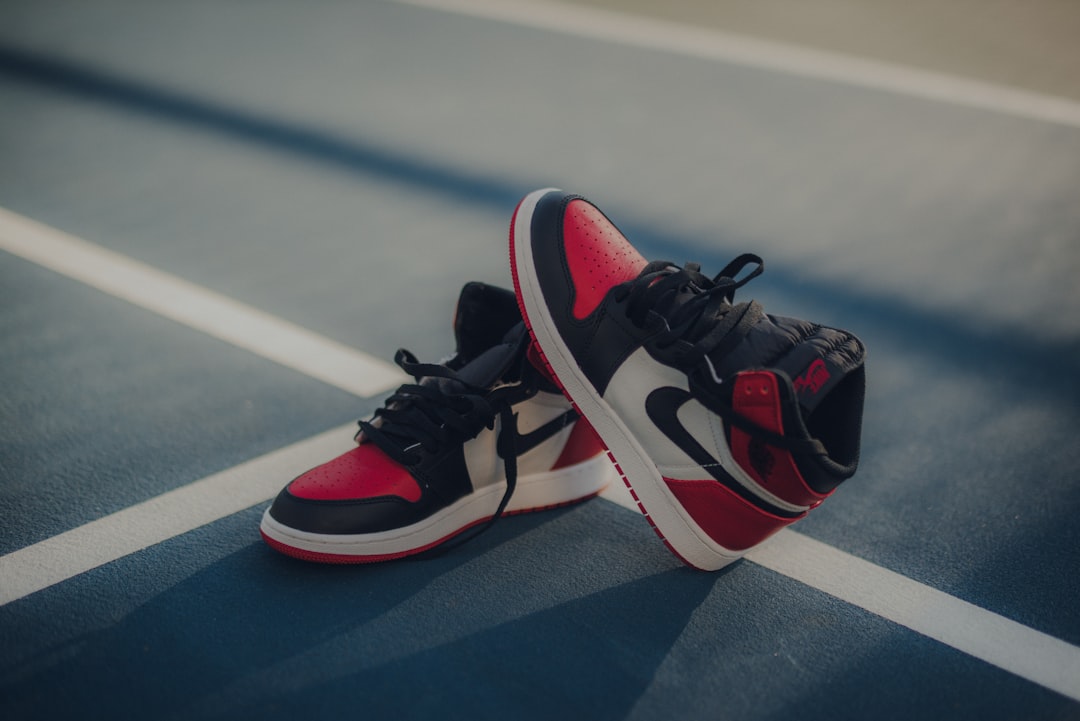
Wondering what to wear on a plane? The best airport outfit balances comfort, temperature control, easy movement, and a polished arrival look. Use these practical travel outfit formulas to dress for short flights, long-haul journeys, hot destinations, cold climates, and unpredictable cabin temperatures without overpacking.
Overview
A comfortable flight outfit starts with the conditions you can control. Choose soft, breathable layers, shoes you can walk in, and clothes that do not pinch when you sit for several hours. Then add one structured or refined element, such as a clean overshirt, tailored knit, or simple trench, so the outfit works beyond the airport.
Think in three layers: a comfortable base, a flexible middle layer, and an outer layer that can be removed or packed. This approach is more useful than dressing for the temperature at departure alone. Airports, aircraft cabins, taxis, and arrival streets may all feel different, so an outfit that can adapt is usually more practical than a single heavy garment.
For a reliable travel wardrobe, start with neutral modern wardrobe essentials that coordinate easily. Black, navy, charcoal, cream, denim, olive, and soft brown create simple combinations without making your personal item feel like a second suitcase. If you prefer a more expressive look, use one accent through a bag, sneaker, scarf, cap, or jewelry rather than building the entire outfit around a trend.
Your travel outfit should also work with what you are carrying. Keep small essentials accessible in a crossbody bag, belt bag, or organized personal item, while avoiding oversized accessories, dangling hardware, or layers that become difficult to manage when you are seated.
Checklist by scenario
Short flight or same-day trip
- Start with a breathable T-shirt, fitted tank, or lightweight long-sleeve top.
- Add straight-leg jeans, relaxed trousers, ponte pants, or a polished knit skirt that allows comfortable sitting.
- Wear a light overshirt, cardigan, denim jacket, or unlined blazer as your adjustable layer.
- Choose slip-on sneakers, simple trainers, or supportive loafers.
- Carry a compact tote or crossbody for identification, headphones, charger, and a water bottle.
A clean T-shirt, relaxed trousers, low-profile sneakers, and an overshirt create one of the easiest airport outfit ideas for a short journey. For a slightly sharper version, replace the T-shirt with a fine-gauge knit and the sneakers with loafers.
Long-haul or overnight travel
- Choose a soft base layer that will not feel restrictive when seated for a long period.
- Wear elastic-waist trousers, wide-leg knit pants, travel jeans with stretch, or a loose jumpsuit with easy access.
- Bring a warm layer, such as a sweatshirt, cardigan, merino-style knit, or soft scarf.
- Select socks that feel comfortable inside roomy shoes.
- Pack a spare top and fresh undergarments in your personal item in case you want to change after arrival.
A monochrome base makes long-haul travel outfits look intentional: try charcoal knit pants, a black long-sleeve top, white or black sneakers, and a contrasting cardigan. A matching sweatshirt-and-trouser set can be equally effective when balanced with a structured coat, neat sneakers, or a compact leather-look bag.
Hot destination
- Wear breathable cotton, linen blends, lightweight jersey, or moisture-managing fabric suited to your comfort preferences.
- Choose loose trousers, a midi skirt, or relaxed shorts if the departure and arrival conditions allow.
- Layer a lightweight button-down or open shirt over a sleeveless top.
- Use sandals only if they are secure and comfortable for walking; otherwise choose breathable sneakers.
- Pack a light sweater or scarf because the cabin may feel cooler than the destination.
For hot-weather travel, try wide-leg linen-blend trousers, a simple tank, an oversized button-down, and flat sandals or clean canvas sneakers. The button-down provides coverage during transit and can become a beach, sightseeing, or dinner layer after arrival.
Cold destination
- Build warmth with several lighter layers instead of relying on one bulky sweater.
- Wear a thin thermal or long-sleeve base, a knit or fleece middle layer, and a coat that is warm but manageable.
- Choose trousers that leave room for base layers if needed.
- Wear weather-appropriate boots only when they are broken in and comfortable for walking.
- Carry gloves, a hat, or a scarf in an accessible pocket rather than burying them at the bottom of your luggage.
A practical cold-weather formula is a fitted base layer, relaxed trousers, a medium-weight knit, a long coat, and sturdy sneakers or low boots. If your coat is substantial, keep the rest of the outfit streamlined so you can sit and move easily.
Airport-to-arrival outfit formulas
- Relaxed urban: straight-leg jeans, a heavyweight T-shirt, a zip sweatshirt, minimal sneakers, and a crossbody bag.
- Polished casual: wide-leg trousers, a fine knit, a long cardigan or blazer, loafers, and small hoop earrings or a simple watch.
- Sport-influenced: tapered joggers, a fitted tank, an overshirt, clean trainers, and a compact backpack.
- Warm-weather minimal: loose trousers, a tank, an open linen shirt, flat sandals, and a lightweight scarf.
- Cold-weather layered: base layer, knit sweater, relaxed denim, a comfortable coat, and weather-ready shoes.
For more ideas on coordinating basics, see the modern wardrobe outfit formula and the modern capsule wardrobe outfit guide.
What to double-check
Fabric and comfort
| Fabric or finish | Useful for | Check before wearing |
|---|---|---|
| Cotton jersey | Soft base layers and T-shirts | It may crease or hold moisture depending on the weight. |
| Linen blend | Warm destinations and loose shirts | Expect some wrinkling; choose a blend if you want a smoother finish. |
| Stretch denim | Versatile casual outfits | Test the waistband while seated, not only while standing. |
| Knitwear | Warm, flexible middle layers | Avoid overly thick or shedding knits in crowded travel settings. |
| Technical or performance fabric | Long journeys and active transfers | Check softness, noise, and whether the fabric feels comfortable against skin. |
Security-friendly layering
Keep layers simple and easy to remove if requested. A cardigan, sweatshirt, open shirt, or unlined jacket is generally easier to manage than multiple belts, complicated buckles, and heavy metal accessories. Wear jewelry that is easy to take off and store securely, and keep your phone, wallet, and travel documents in one consistent place.
Because screening procedures and airline arrangements can vary, check the current instructions provided for your departure airport and carrier before leaving. Do not build your outfit around an assumption about what will or will not be requested during screening.
Footwear and personal-item planning
Prioritize shoes that are already broken in, provide stable support, and suit the walking you expect to do. Avoid wearing brand-new shoes on a travel day. If you pack a second pair, wear the heavier pair and place the lighter option in your luggage when practical.
Your personal item should hold the things you may need without forcing you to unpack everything. A useful layout includes a top pocket for documents and headphones, a small pouch for chargers and medication, and a clothing section for a spare top, socks, and a light layer. Keep liquids and other travel necessities organized according to the current guidance for your departure point.
Common mistakes
- Dressing only for the destination: A sleeveless outfit may be pleasant after landing but uncomfortable during a cool departure or flight. Add a removable layer.
- Choosing appearance over movement: Test sitting, bending, and walking in the outfit before traveling. Tight waistbands and rigid fabrics become more noticeable over time.
- Wearing difficult footwear: Tall heels, stiff boots, and untested shoes can make airport walks and transfers unnecessarily tiring.
- Over-layering: Too many pieces create bulk and are difficult to store. Aim for two or three useful layers with different weights.
- Ignoring the arrival plan: If you are going directly to dinner, work, or sightseeing, add one polished item and pack the accessories that complete the look.
- Carrying fragile accessories: Large statement jewelry and delicate materials can snag or become uncomfortable. Choose compact, secure pieces instead.
- Forgetting proportions: Oversized clothing can be comfortable, but pairing several very voluminous pieces may make movement and bag access harder. Balance a loose item with a cleaner-fitting layer.
If you like streetwear, keep the outfit functional rather than costume-like: relaxed denim or cargos, a clean hoodie, a lightweight jacket, and supportive sneakers are enough. The streetwear basics styling guide offers more ways to refine casual travel outfits.
When to revisit
Use this checklist before each trip, especially when the season, destination, luggage plan, or length of the journey changes. Revisit your fabric choices at the start of warm and cold-weather travel seasons. A hot-weather formula may need a warmer overshirt in spring, while a winter outfit may work better with lighter removable layers when traveling between climates.
Before departure, complete this quick final check:
- Look up the expected weather at departure, arrival, and any transfer points.
- Confirm what you need to carry and choose a personal item that keeps those essentials accessible.
- Wear-test the full outfit while seated and walking.
- Pack one spare top and one temperature-adjusting layer for longer journeys.
- Check current airport and airline instructions rather than relying on an old routine.
- Take a quick photo of the finished outfit if you want to repeat the formula on a future trip.
The goal is not a complicated airport wardrobe. It is a dependable travel outfit that feels comfortable in transit, adapts to changing temperatures, and still looks considered when you arrive.